


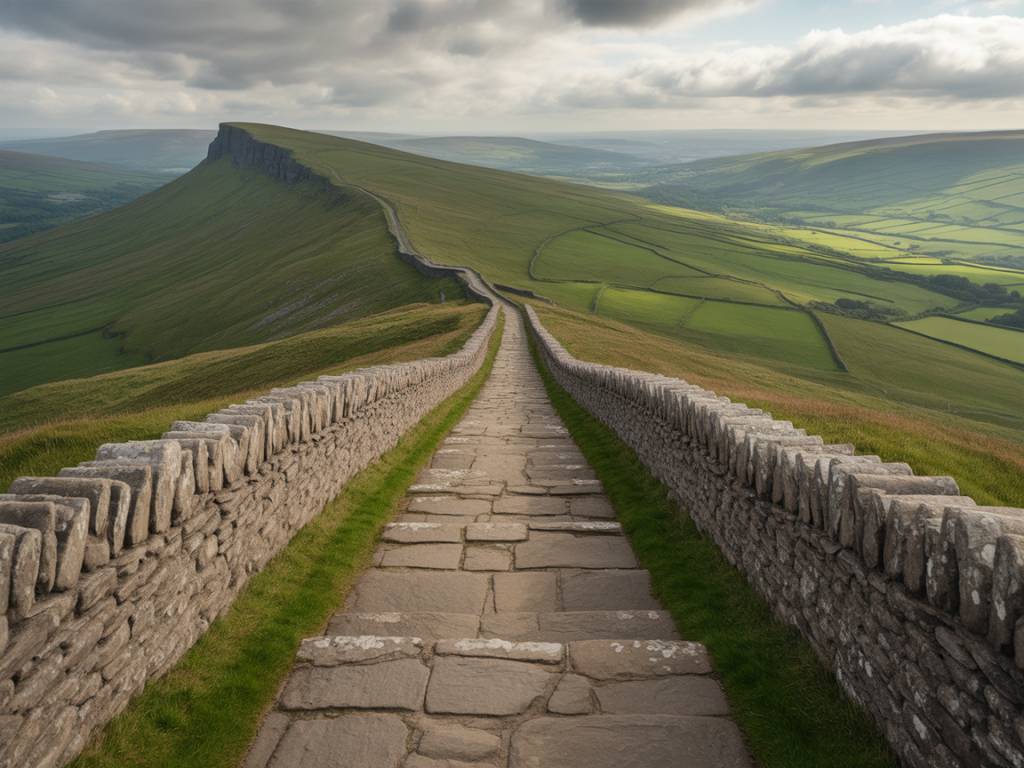
The sacred pilgrim paths of Wales weave together spiritual tradition, wild landscapes and layers of European history. From ancient Celtic sites to medieval shrines and quiet coastal chapels, these historic walking routes offer a slow, immersive way to understand Welsh culture and its place in the wider Christian pilgrimage network of Western Europe. Today, they attract not only believers, but also hikers, history enthusiasts and cultural tourists seeking meaningful journeys on foot.
Wales as a historic land of pilgrimage
For more than a thousand years, Wales has been a deeply Christian land, shaped by monastic communities, early saints and coastal trading routes that connected it with Ireland, Brittany and the rest of Europe. Long before modern hiking trails, pilgrims followed footpaths, drovers’ roads and coastal tracks to reach shrines holding relics of saints, holy wells and important churches. Many of those routes are now being rediscovered and carefully waymarked, forming a network of Welsh pilgrim paths that combine heritage, faith and outdoor tourism.
These sacred paths often follow routes that pre-date Christianity. Iron Age hillforts, standing stones and pre-Christian ritual sites sit quietly beside medieval churches and ruined abbeys. For the modern traveller, this layering creates a powerful sense of time: each step along a Welsh pilgrimage route becomes a walk through centuries of European religious and political change, from the age of Celtic saints to the Reformation and beyond.
The North Wales Pilgrim’s Way
One of the best-known pilgrimage routes in Wales today is the North Wales Pilgrim’s Way, a long-distance trail linking ancient churches and holy sites between the English border and the small island of Ynys Enlli (Bardsey Island), sometimes called the “Island of 20,000 Saints”. This route is often compared to the Camino de Santiago, not only for its spiritual focus but also for its blend of historic architecture, mountain scenery and coastal views.
Beginning near Basingwerk Abbey close to Holywell, the trail winds through the Clwydian Range and Dee Valley Area of Outstanding Natural Beauty, then continues westward across the foothills of Snowdonia (Eryri) towards the Llŷn Peninsula. Along the way, walkers pass through small market towns, remote chapels and communities where Welsh remains a living language. The route is well signposted and can be walked in stages, making it attractive both for dedicated pilgrims and casual walkers interested in Welsh heritage.
Highlights along the North Wales Pilgrim’s Way include:
-
St Winefride’s Well, Holywell – one of the most important pilgrimage sites in medieval Britain, known as the “Lourdes of Wales”. The sacred spring is associated with the 7th-century saint Winefride (Gwenffrewi) and has attracted visitors seeking healing for centuries.
-
Basingwerk Abbey – a Cistercian abbey founded in the 12th century, symbolising the spread of powerful monastic orders across Europe and their role in organising medieval pilgrimage.
-
Ancient churches of the Clwydian Range – including remote hilltop churches with Celtic crosses and early Christian carvings, where the silence of the landscape emphasises the contemplative nature of pilgrimage.
-
Snowdonia (Eryri) – the route skirts dramatic mountains, glacial valleys and historic passes, echoing the challenge and effort traditionally associated with sacred journeys.
-
Llŷn Peninsula churches and Bardsey Island – the final stages lead to the rugged tip of the peninsula and, for those who cross by boat, to Bardsey itself, where monastic ruins and abundant seabirds share a windswept island that feels removed from modern life.
Bardsey Island: a western “end of the world”
Bardsey Island, at the far western edge of the Llŷn Peninsula, has held a magnetic pull for pilgrims since the early Middle Ages. Its isolation, strong winds and sea mists create an atmosphere long associated with the idea of the “edge of the world” in Celtic and Christian imagination. Tradition holds that three pilgrimages to Bardsey were spiritually equivalent to one pilgrimage to Rome.
By the 6th century, a monastery had already been founded here. Over the centuries it grew into a famous religious centre, connected with Welsh saints and royal patrons. While the medieval buildings now lie in ruins, the island still carries a deep sense of spiritual seclusion. Pilgrims and visitors today come by small boat, following the rhythms of the tides, and walk quietly among the remains of the abbey, the small church of St Hywyn and the island’s simple stone houses.
For many modern walkers, the journey to Bardsey is less about formal religious practice and more about reflection, silence and connection with nature. Sea cliffs, seals and migratory birds provide a setting where the boundaries between spiritual pilgrimage and eco-tourism become blurred.
St David’s and the western pilgrim routes
Further south, the tiny city of St Davids (Tyddewi) in Pembrokeshire has been a focus of pilgrimage for more than a millennium. Dedicated to Dewi Sant (Saint David), the patron saint of Wales, this remote coastal settlement once welcomed pilgrims from across Britain, Ireland and continental Europe. During the Middle Ages, visiting St Davids twice was reputedly equal to one pilgrimage to Rome, underscoring its international significance.
Today, a network of revived pilgrim paths leads towards St Davids Cathedral and the neighbouring shrine of St Non. Many of these routes make use of the Pembrokeshire Coast Path, considered one of the most spectacular coastal walking trails in Europe. Cliffs, sandy coves and offshore islands frame the medieval skyline of St Davids, where the cathedral nestles in a sheltered valley, partly hidden from seaborne raiders.
Key elements of the pilgrimage experience in St Davids include:
-
St Davids Cathedral – a masterpiece of medieval architecture, built in the 12th and 13th centuries on a site associated with an earlier monastic community. Its stone arches, carved woodwork and atmospheric nave bear witness to centuries of worship and political power.
-
St Non’s Chapel and Holy Well – located on the cliff tops south of the city, this site is traditionally linked to David’s birth. The spring has long been regarded as a place of healing and contemplation, with views across St Brides Bay towards the Atlantic.
-
Coastal pilgrimage paths – newly signposted routes encourage visitors to combine sections of the coast path with inland lanes and old church tracks, recreating the experience of medieval pilgrims approaching the city on foot.
As with other Welsh pilgrimage routes, the emphasis in St Davids is not only on religious history but also on sustainable tourism. Many visitors choose to arrive without a car, using buses or organised walking holidays that support local guesthouses, cafés and heritage projects.
Lesser-known sacred routes and local pilgrimages
Beyond the more famous destinations of Bardsey and St Davids, Wales is threaded with smaller, often very local pilgrimage paths. These routes typically connect parish churches, holy wells or sites linked to early Welsh saints, such as Beuno, Illtud, Cadfan or Melangell. They are ideal for travellers who prefer quieter paths, short day walks or a focus on specific regional histories.
Examples of such routes include:
-
Pilgrimage in the Vale of Clwyd – gentle lowland paths linking medieval churches rich in stained glass, carved rood screens and Celtic stone crosses.
-
Saint Melangell’s shrine in Pennant Melangell – a remote valley in mid-Wales where a church shelters a 12th-century shrine dedicated to a female saint associated with protection of hares and wild animals.
-
Gower Peninsula sacred sites – routes that connect early medieval churches with prehistoric burial chambers and sea cliffs, reflecting the continuity of sacred landscapes from pre-Christian to Christian times.
These lesser-known paths highlight the diversity of Welsh spirituality. They showcase how local identity, agricultural life and religious devotion intermingled over centuries, and offer visitors a more intimate encounter with regional traditions and communities.
Walking as a form of slow cultural tourism
The revival of pilgrim paths in Wales also reflects a broader European trend towards slow tourism and sustainable travel. Walking, rather than driving, allows time to appreciate the detail of the landscape: hedgerows rich in wildflowers, stone stiles worn by generations of feet, ruined farmsteads and the pattern of small fields typical of traditional Welsh agriculture.
For international visitors, pilgrim routes provide a structured way to explore rural Wales while engaging with its history. They offer an accessible introduction to the Welsh language, local myths and the complex relationship between Wales and its larger neighbours, England and Ireland. In many villages, churches now host interpretation panels, pilgrim stamps, exhibitions about local saints and sometimes simple accommodation or refreshments for walkers.
From an environmental point of view, these routes encourage lower-impact travel. Many paths can be reached by public transport, and local organisations promote the use of buses, trains and shared taxis to link different stages. In some areas, community groups actively maintain waymarking, repair paths and organise guided pilgrimages that emphasise both spiritual reflection and respect for nature.
Practical tips for exploring Welsh pilgrim paths
For those planning to walk the sacred pilgrim paths of Wales, preparation and awareness of local conditions help to ensure a rewarding journey. While the atmosphere of pilgrimage is timeless, the realities of weather, transport and accommodation are very contemporary.
-
Choosing a route – decide whether you prefer a long-distance journey, such as the North Wales Pilgrim’s Way, or a series of shorter day walks around key sites like St Davids, Bardsey or local holy wells.
-
Maps and navigation – even on waymarked routes, carrying an up-to-date map or GPS device is advisable, especially in upland areas where fog and rain can reduce visibility.
-
Weather and clothing – the Welsh climate is famously changeable. Waterproof clothing, sturdy walking boots and layered clothing are essential, even in summer.
-
Respecting sacred spaces – many churches and chapels remain active places of worship. Quiet behaviour, modest dress and sensitivity to services or local ceremonies are part of the pilgrim ethic.
-
Supporting local communities – using small guesthouses, village shops and local cafés helps ensure that pilgrimage tourism benefits the rural economy. Donations to church restoration funds or local heritage projects are also welcome.
Whether approached as an act of faith, a historical exploration or a form of mindful walking, the sacred pilgrim paths of Wales invite travellers to slow down, to notice details in both landscape and architecture, and to reflect on their own journeys. As these routes continue to develop, they position Wales as an important destination within the wider map of European pilgrimage, offering experiences that are both deeply local and quietly universal.